How to Blast Away Stubborn Moss from Damp Shaded Pavers
Anyone with a patio, driveway, or garden path in Salisbury knows how quickly moss can take hold. Shaded corners, north-facing walls, and areas beneath mature trees stay damp for long stretches, creating ideal conditions for moss to spread across block paving and natural stone. Beyond looking untidy, moss holds moisture against the surface, makes pavers dangerously slippery, and can eventually damage jointing sand and the stone itself. This guide explains why moss thrives on shaded pavers, how to remove it with pressure washing and other methods, and how to keep it from returning.
Why Moss Loves Damp, Shaded Pavers in Salisbury
Moss does not have true roots. Instead, it uses tiny root-like structures called rhizoids to cling to surfaces, absorbing water and nutrients directly through its leaves. This means it needs very little to survive: moisture, low light, and a surface with some texture. Salisbury's mild, damp climate, with regular rainfall through autumn, winter, and spring, provides plenty of moisture. Properties close to the water meadows and the rivers Avon, Nadder, and Wylye can also experience higher ambient humidity, which slows drying even further.
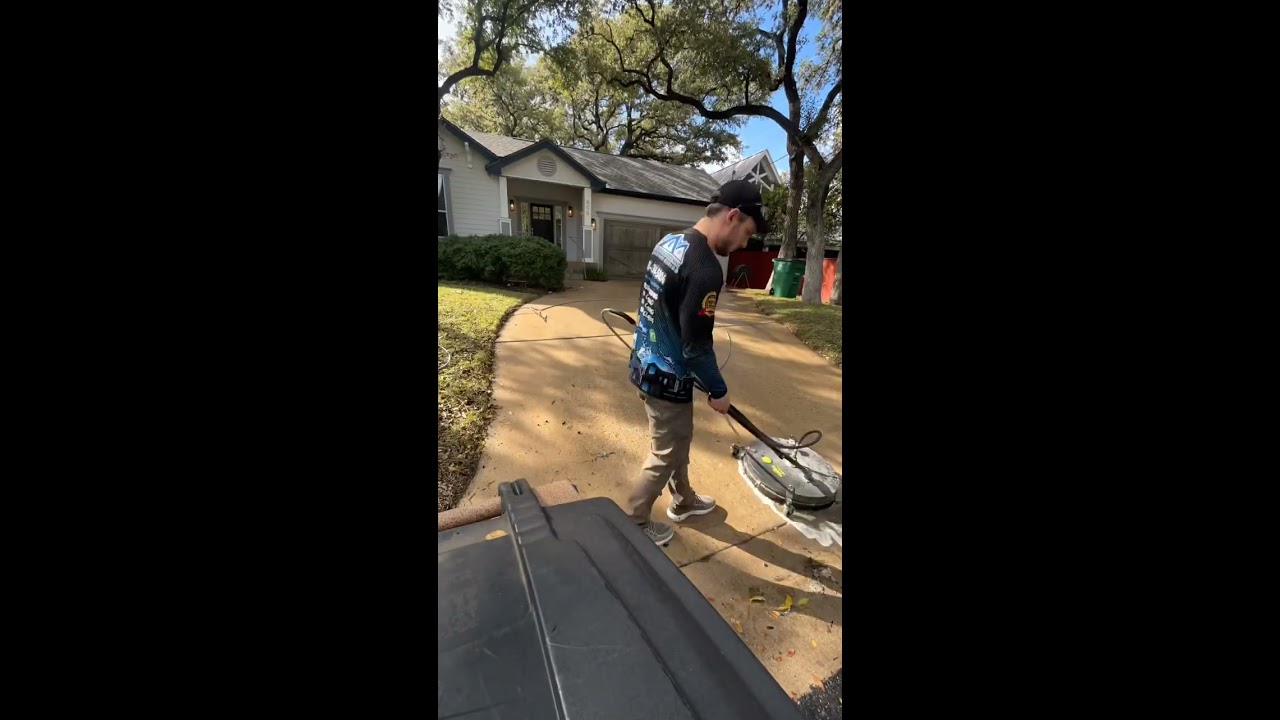
Pavers are particularly vulnerable for several reasons:
- Porous surfaces: Concrete, sandstone, and limestone pavers absorb water and retain it, giving moss spores a constant source of moisture.
- Joint gaps: Sand-filled joints collect organic debris, soil, and moisture, creating a perfect seedbed for moss.
- Poor drainage: Pavers laid with insufficient fall allow water to sit on the surface rather than run off.
- Overhanging vegetation: Trees and shrubs block sunlight and drop leaves, which decompose and feed moss growth.
- Limited airflow: Enclosed courtyards and walled gardens, common in the city's older properties, trap humid air close to the ground.
Safety and Preparation Before You Start
Good preparation makes moss removal faster and protects both you and your paving. Start by clearing the area of furniture, planters, and loose debris. Sweep away leaves and surface dirt with a stiff broom so the cleaning process can focus on the moss itself.
Wear waterproof boots with good grip, safety glasses, and gloves. Pressure washers produce a high-velocity jet that can cause serious injury, so never point the lance at yourself or others, and keep children and pets away from the working area. If you are using any cleaning chemicals, check the product label for protective equipment requirements and avoid working in windy https://pressurecleaningsalisbury.com.au/ conditions that could blow spray onto plants or neighbouring property.
It is also worth checking the condition of your paving first. Loose pavers, crumbling joints, or heavily weathered stone may need repair before cleaning, as high pressure can worsen existing damage.
Step-by-Step: Removing Moss with a Pressure Washer
Pressure washing is the most effective way to remove established moss from large areas of paving. Used correctly, it clears moss and the grime beneath it in a fraction of the time that hand scrubbing takes.
- Pre-treat the moss. Apply a suitable patio moss killer or a biocidal cleaner according to the manufacturer's instructions. Allow it to work for the stated time. Moss will often turn brown or black as it dies, making it much easier to dislodge.
- Choose the right pressure. For most concrete and block pavers, a pressure of around 1,500 to 2,500 PSI (roughly 100 to 170 bar) is sufficient. Softer natural stone such as limestone or some sandstones needs a gentler setting to avoid etching.
- Select a fan nozzle. A 25-degree fan nozzle offers a good balance of cleaning power and surface protection. Avoid zero-degree pencil nozzles, which can gouge pavers and strip jointing sand.
- Keep the lance moving. Hold the nozzle about 20 to 30 centimetres from the surface and work in overlapping, parallel passes. Lingering in one spot can leave visible stripes or marks.
- Work with the fall. Clean from the highest point toward the lowest so loosened moss and dirty water flow away from the finished area.
- Treat the joints carefully. Angle the jet slightly and reduce pressure around joints to avoid blasting out too much sand.
- Rinse thoroughly. Finish with a clean-water rinse to remove residue, then sweep away remaining debris.
Alternatives If You Do Not Have a Pressure Washer
Stiff Brush and Moss Killer
For small patios or delicate stone, a stiff-bristled brush combined with a moss-killing treatment can work well. Apply the treatment, wait for the moss to die back, then scrub with a hard broom. Avoid wire brushes, which can leave metal particles that rust and stain pavers.
Moss Scrapers and Joint Tools
A hand-held patio knife or paving scraper is useful for removing moss from joints and edges where a pressure washer is too aggressive. This is slower work, but it gives precise control.
Natural and Household Options
Some homeowners prefer to avoid commercial products. Boiling water poured carefully over moss can kill small patches, though it is impractical for large areas and carries a scalding risk. White vinegar solutions are sometimes used, but they can damage limestone and other calcareous stone, and they may harm nearby plants. Always test any treatment on a small, inconspicuous area first.
Protecting Plants, Drains, and Local Waterways
Salisbury sits in a sensitive river catchment, so it is important to think about where cleaning runoff goes. Avoid letting chemical moss killers wash into surface water drains, which can lead directly to local watercourses. Where possible, choose products labelled as suitable for use around pets and wildlife, follow dilution instructions exactly, and apply them in dry weather so rain does not wash them away prematurely. Cover or rinse nearby plants that could be affected by overspray.
Collected moss and debris is best disposed of in your garden waste or compost, unless it has been treated with chemicals, in which case check the product guidance on disposal.
Re-Sanding the Joints After Cleaning
Pressure washing often removes some of the sand between pavers. Leaving joints empty allows pavers to shift, weeds to establish, and water to penetrate the base. Once the surface is completely dry, sweep in kiln-dried jointing sand or a polymeric sand, which hardens to resist weeds, ants, and washout. Brush the material thoroughly into every gap, compact it if necessary, and remove excess from the surface. Polymeric sand typically needs to be lightly misted and left to cure in dry conditions, so check the weather forecast before you begin.
How to Stop Moss from Coming Back
Removing moss is only half the job. Without changes to the conditions that encouraged it, moss will usually return within a season or two, especially in heavily shaded areas.
- Increase light and airflow: Prune overhanging branches and thin out dense shrubs to let in more sunlight and air.
- Sweep regularly: Remove leaves, soil, and organic debris before they decompose and feed moss.
- Improve drainage: Make sure pavers have an adequate fall away from buildings, and keep gutters and downpipes free of blockages so water does not overflow onto paving.
- Apply a sealer: A breathable, penetrating paving sealer reduces water absorption and makes the surface less hospitable to moss. Reapply according to the manufacturer's guidance, typically every few years.
- Use preventive treatments: A residual algae and moss inhibitor applied once or twice a year, particularly in early spring and autumn, can slow regrowth.
- Check the joints: Keep joints topped up with fresh sand so debris and moisture have fewer places to settle.
The Best Time of Year to Tackle Moss
The ideal window for moss removal is during a dry spell in spring or early autumn. Moss is easier to treat when it is actively growing, and mild temperatures allow cleaners to work effectively. Avoid cleaning in frosty conditions, since water trapped in freshly cleaned pavers can freeze and cause surface spalling. Very hot, sunny weather can also cause cleaning products to dry too quickly. Since Salisbury winters can be wet and prolonged, completing your main clean in early autumn gives pavers the best chance to dry and be sealed before the damp months return.
When to Call a Professional
DIY cleaning is practical for small, straightforward patios, but there are situations where professional help is worthwhile. Large driveways, heavily infested or uneven paving, delicate natural stone, listed or period properties, and areas with structural drainage problems all benefit from an experienced contractor. Professionals use commercial-grade equipment, surface cleaners that deliver an even finish, and treatments matched to the specific stone type. They can also advise on re-pointing, sealing, and drainage improvements that reduce the likelihood of moss returning.
When choosing a local paving cleaning service in Salisbury, ask about insurance, the methods and products they use, how they manage runoff, and whether they re-sand joints and offer sealing as part of the job.
Final Thoughts
Stubborn moss on damp, shaded pavers is a common problem, but it is entirely manageable with the right approach. Pre-treat the moss, clean with a correctly set pressure washer or manual tools, re-sand the joints, and address the underlying causes of dampness and shade. A little regular maintenance throughout 2026 and into 2027 will keep your paving safe, attractive, and longer-lasting, saving you from repeated heavy cleaning in the years ahead.
Salisbury Pressure Cleaning
Unit 6/44 Cheviot Rd, Salisbury South SA 5106
(08) 7282 0848